PCB design
KiCad PCB layout for the ATtiny85 version, routing the OLED, sensor input, power, and programming header into the smaller board.
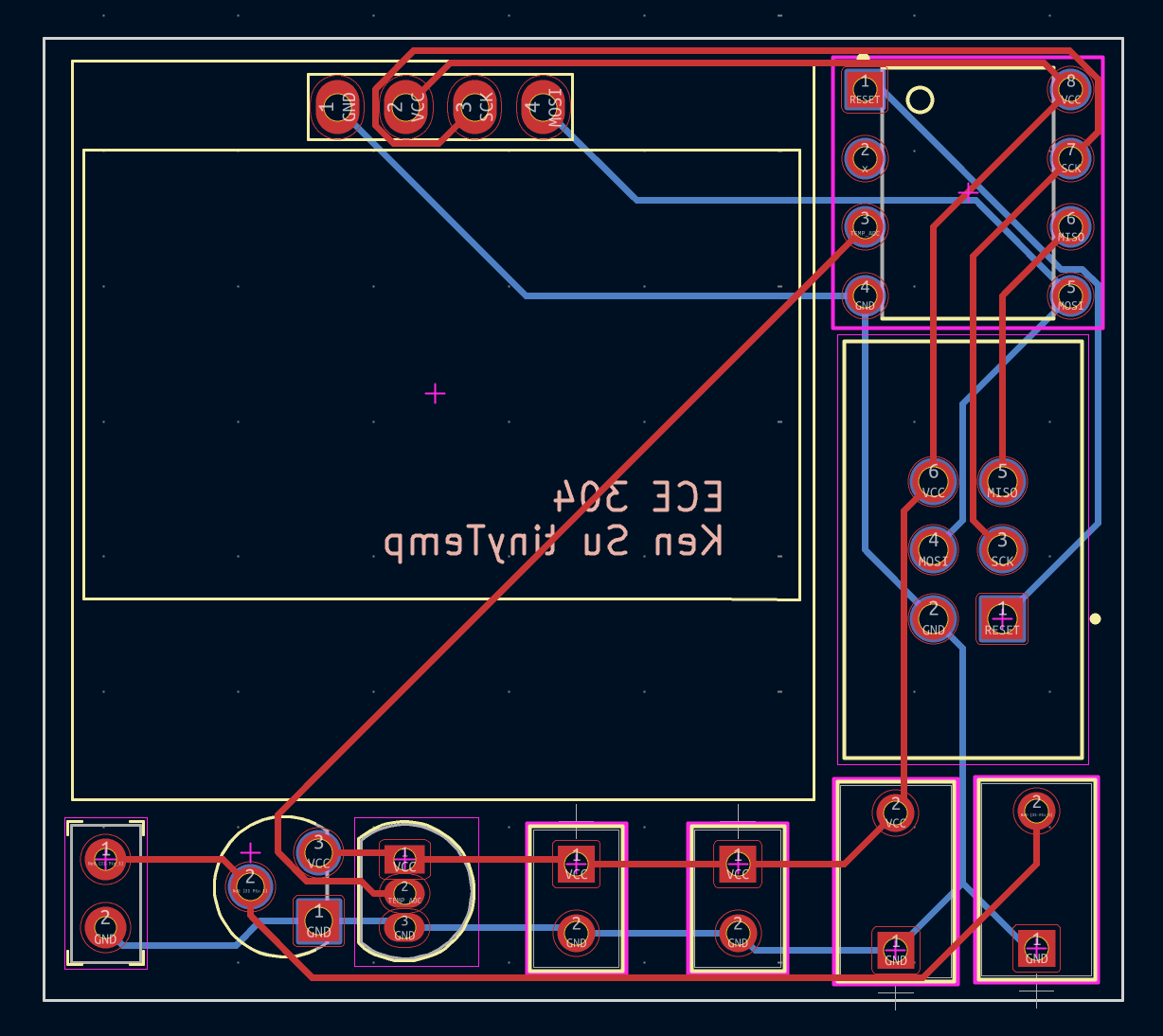
Custom tiny temperature monitor that evolved from an ATmega328P prototype into a compact ATtiny85 OLED PCB.
tinyTemp shows how much can be done on minimal hardware by turning a small microcontroller into a complete sensing and display system. The project began on an ATmega328P for bring-up, then was redesigned around an ATtiny85 to shrink the final form factor while keeping live temperature readout on-device.
main() disables the watchdog, then calls adc_init(), OLED_init(), and OLED_clear(). The ADC uses internal 1.1 V ref and channel 2; 25 samples are summed via get_adc() (start conversion, wait for ADIF, read ADCL then ADCH for 10-bit value). Temperature is computed from the averaged reading with a linear formula to °C and then °F.display_temp(value, unit) formats the value to one decimal and prints either " Deg C " or " Deg F " from PROGMEM. The main loop shows °F, and if above 70 °F prints "TOO HOT!!!" at a fixed position; waits 3 s; clears; shows °C with the same logic; then enables the watchdog (8 s) and spins in while(1).OLED_cursor / OLED_printC / OLED_printP for positioning and text. Bit-banged I2C on GPIO. Build: make for tinyTemp.c + tinyOLED.c; make flash uses avrdude and USBtinyISP to program the ATtiny85.KiCad PCB layout for the ATtiny85 version, routing the OLED, sensor input, power, and programming header into the smaller board.
Final compact tinyTemp board with the OLED, ATtiny85 control circuitry, and programming header assembled.

Hardware security testing toolkit for measuring unique device fingerprints and reliability under real test conditions.

Award-winning internet-controlled rover that lets users drive and monitor a physical robot from anywhere in real time.
Smart tool tracking that helps teams instantly find equipment, prevent loss, and stay coordinated in real time.

Automated trading system that tests strategies, learns from market behavior, and executes decisions with built-in risk controls.
AI-powered job search assistant that helps people find better-fit roles faster, with smarter resume matching and cleaner tracking.

Personal meal planning app that turns “what should I cook?” into a clear weekly routine with pantry awareness and shopping support.

Turns ideas or 3D models into buildable LEGO-style instructions, making custom creations faster and more accessible.

Classic Pong rebuilt from the ground up in hardware and low-level assembly, showing full-stack systems engineering in action.
From-scratch 32-bit processor design that brings core computer architecture concepts to life in working hardware.
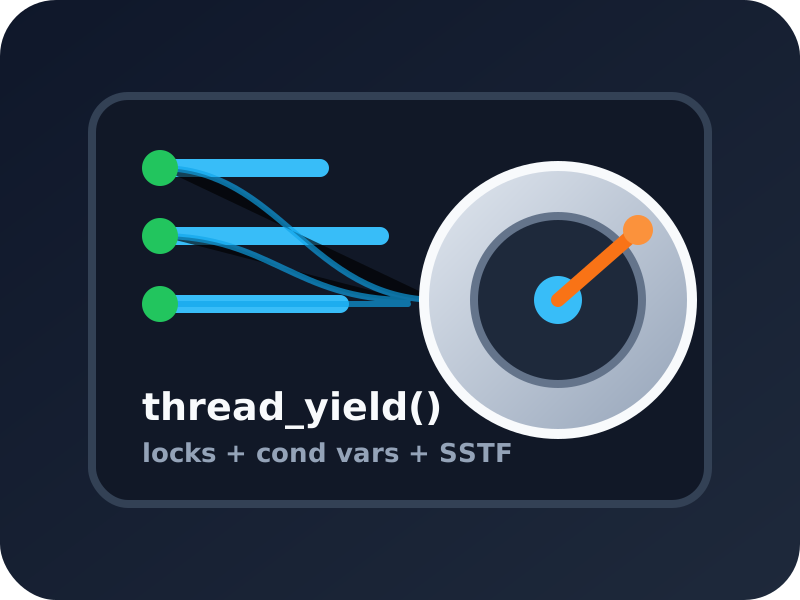
C++ user-level threading library paired with a concurrent disk scheduler that coordinates requester threads and SSTF service.
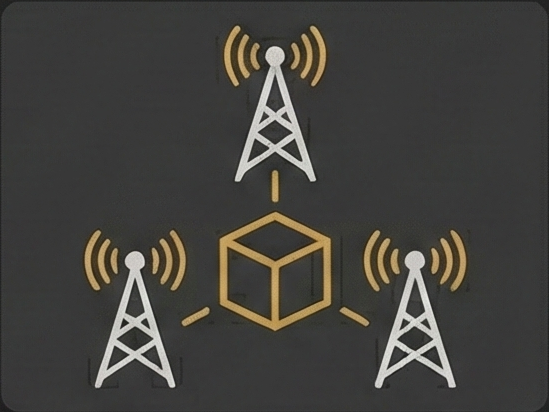
3D location engine that estimates where an object is in space and validates accuracy through realistic simulation.

Encryption concepts implemented at the hardware-software boundary, showing security logic at instruction level detail.
Hardware security testing toolkit for measuring unique device fingerprints and reliability under real test conditions.
Award-winning internet-controlled rover that lets users drive and monitor a physical robot from anywhere in real time.